
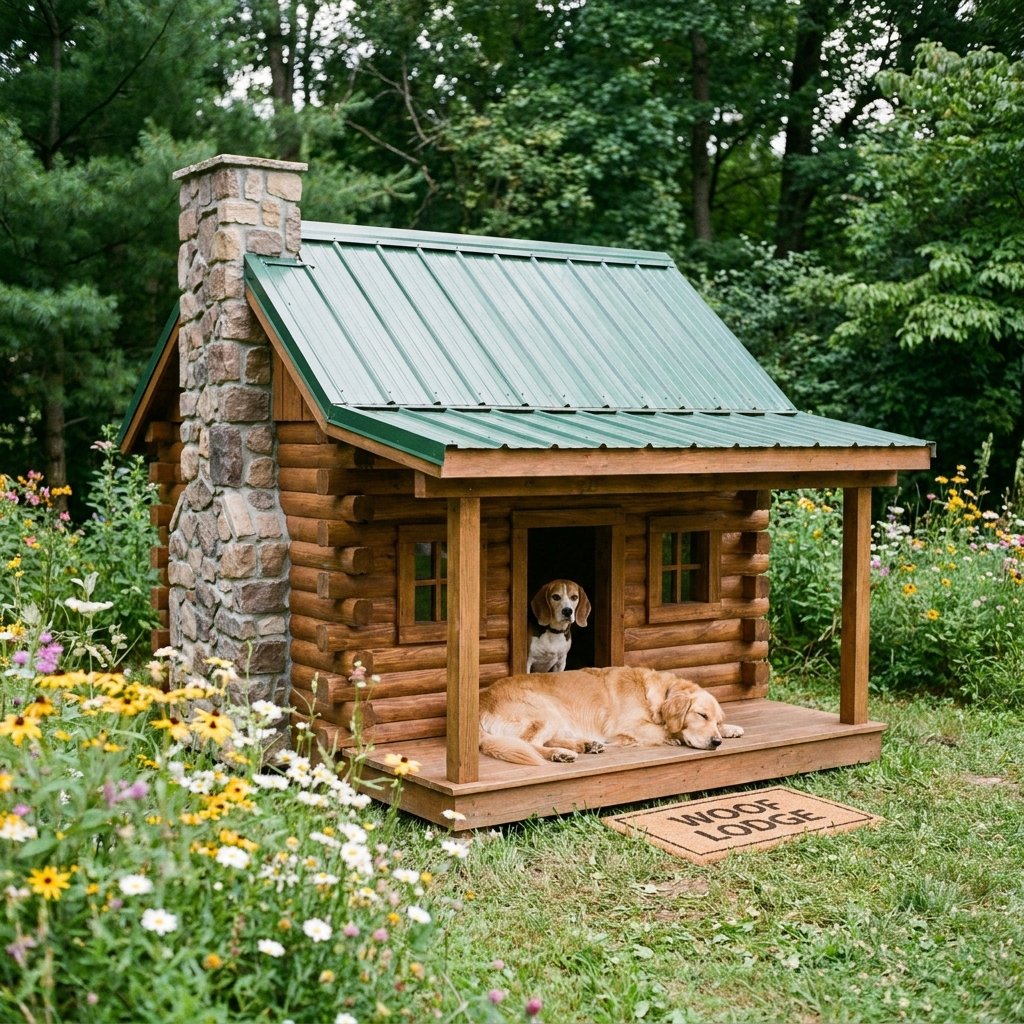
22 Stunning Dog House Ideas That Are Too Cute to Miss
Dog house ideas can transform a simple backyard structure into a cozy retreat your pet actually loves. From rustic wooden cabins to modern minimalist shelters, the possibilities go far beyond a basic box with a roof. Every design choice, including shape, material, and color, adds personality to your outdoor space and reflects your own style as a pet owner.
Whether you’re working with a spacious yard or a tight patio corner, there’s an idea suited to your setup. Creativity plays a bigger role here than most pet owners realize, and small design tweaks can make a big difference. The right design can double as a charming outdoor feature while still keeping your dog comfortable year-round.
Best Dog House Ideas to Try
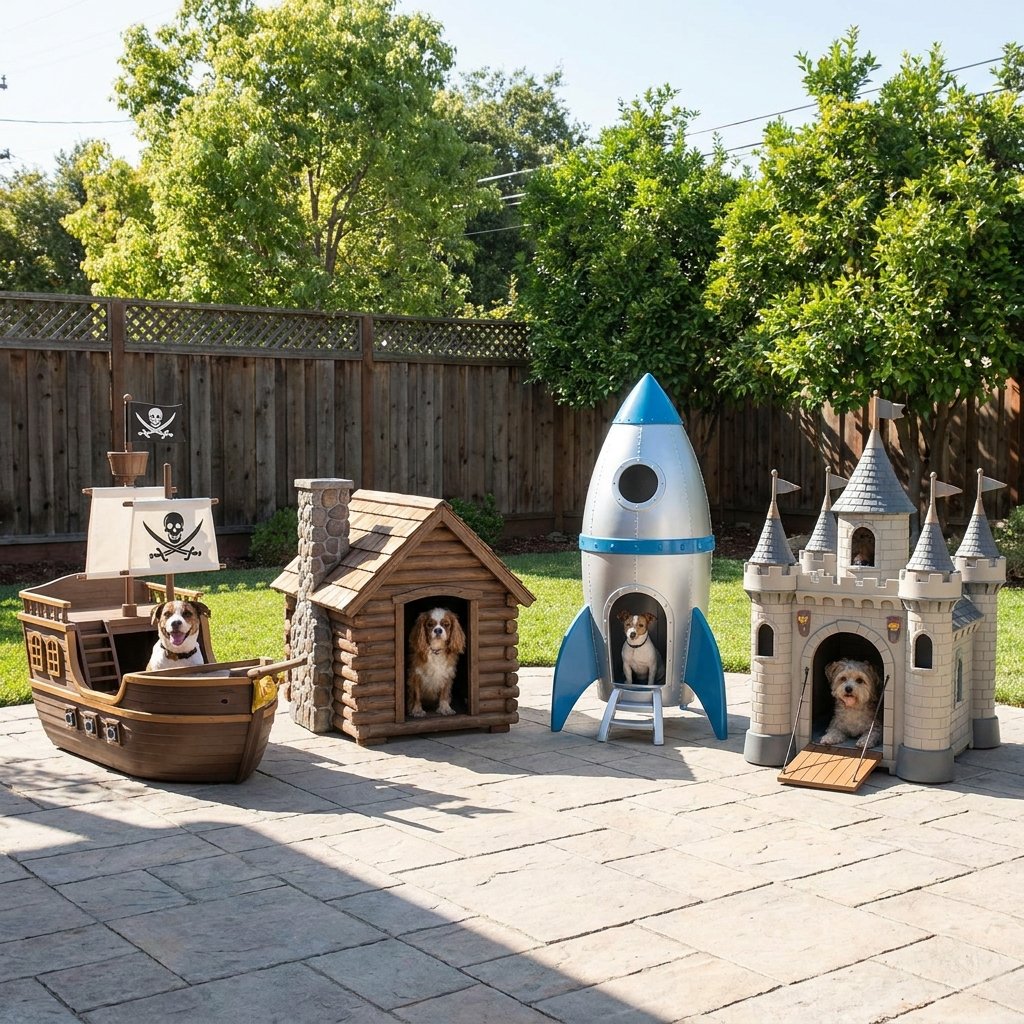
These ideas span a wide range of styles, sizes, and budgets, so every dog owner can find inspiration that fits their situation. Some focus purely on aesthetics, blending seamlessly with your home’s exterior design and landscaping. Others prioritize comfort, insulation, or weather resistance, especially for owners who live in areas with harsh seasons.
You’ll find options here for small breeds, large dogs, multiple pets, and nearly every climate imaginable. Some ideas repurpose everyday materials like pallets or leftover lumber, while others draw inspiration from tiny-house architecture trends. Explore the list below to find the perfect starting point for your own backyard project.
Rustic Wooden Cabin Ideas
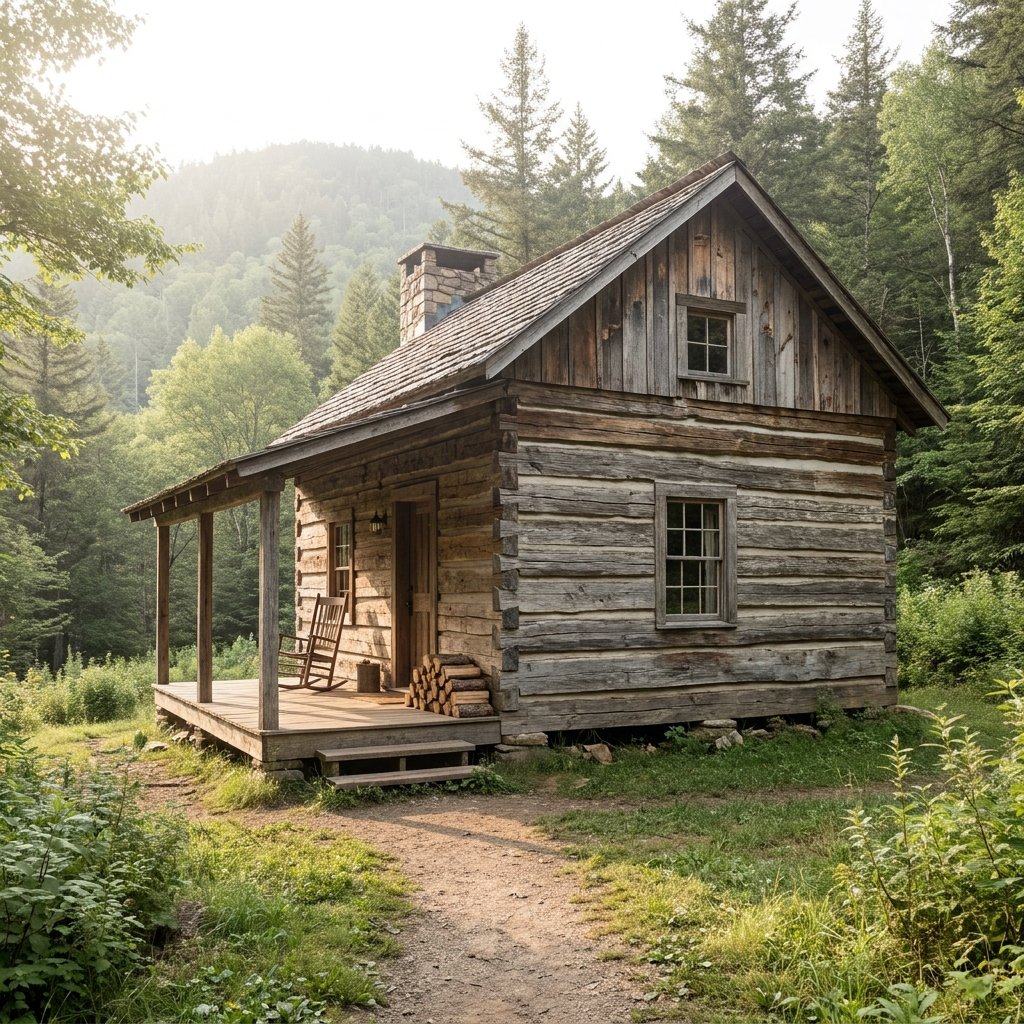
A rustic wooden cabin brings warmth and charm to any backyard while giving your dog a sturdy shelter. Natural wood tones blend easily with gardens, patios, and wooded properties, creating a cohesive outdoor look. Add a small covered porch or wooden shingles for extra character without much added cost.
This style works especially well for owners who want their dog’s home to feel like a genuine extension of their own house. Weathered wood, exposed beams, and a peaked roof all contribute to that cozy cabin feel. It’s a timeless choice that rarely goes out of style.
Modern Minimalist Dog House Ideas
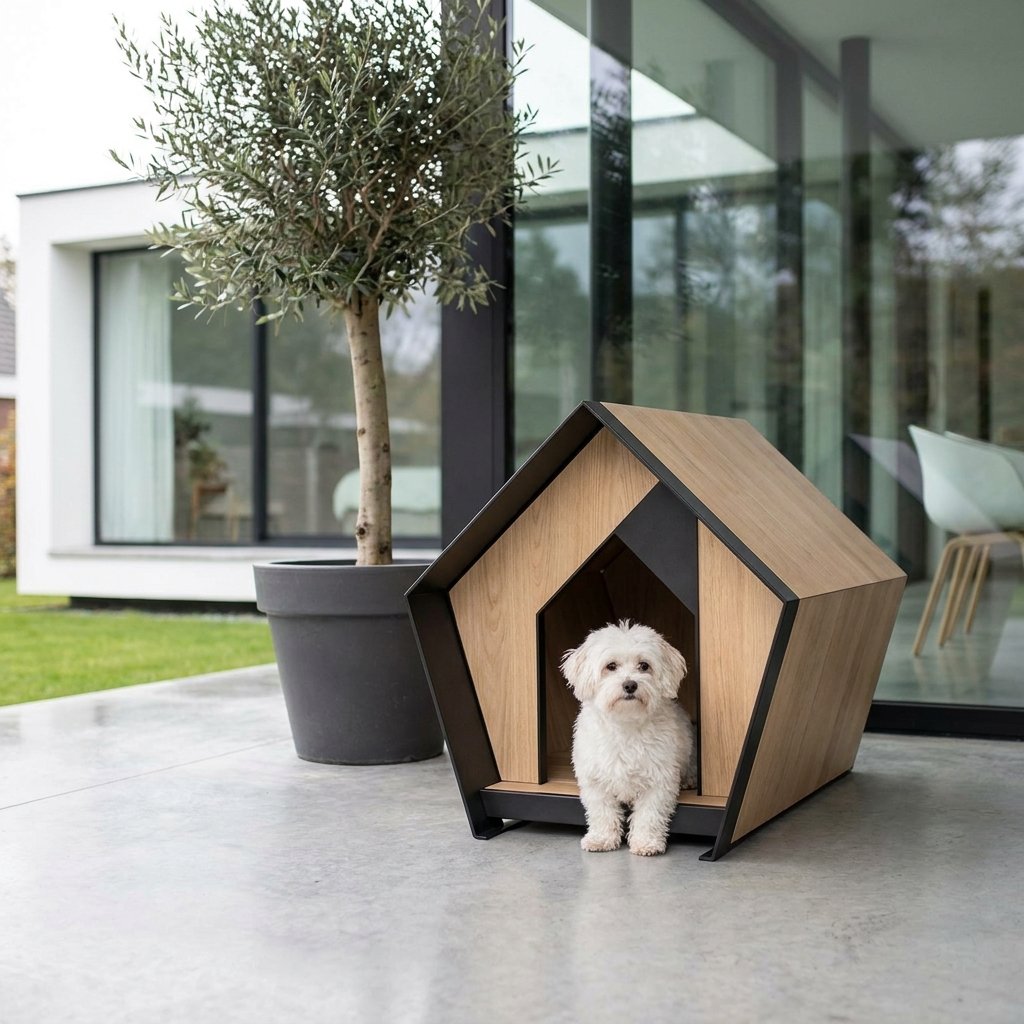
Clean lines, neutral colors, and simple geometric shapes define the modern minimalist approach to dog houses. This style suits contemporary homes and smaller yards where visual clutter isn’t welcome. Flat surfaces and understated hardware keep the overall look sleek and uncomplicated.
Minimalist designs often use materials like smooth plywood, matte paint finishes, or even concrete accents. The goal is function without unnecessary ornamentation, letting the structure blend quietly into a modern landscape. It’s a great pick for owners who prefer understated design over decorative flourishes.
Read More:Stunning Dog Illustration Ideas: 22 Concepts You’ll Want to Pin
A-Frame Dog House Ideas
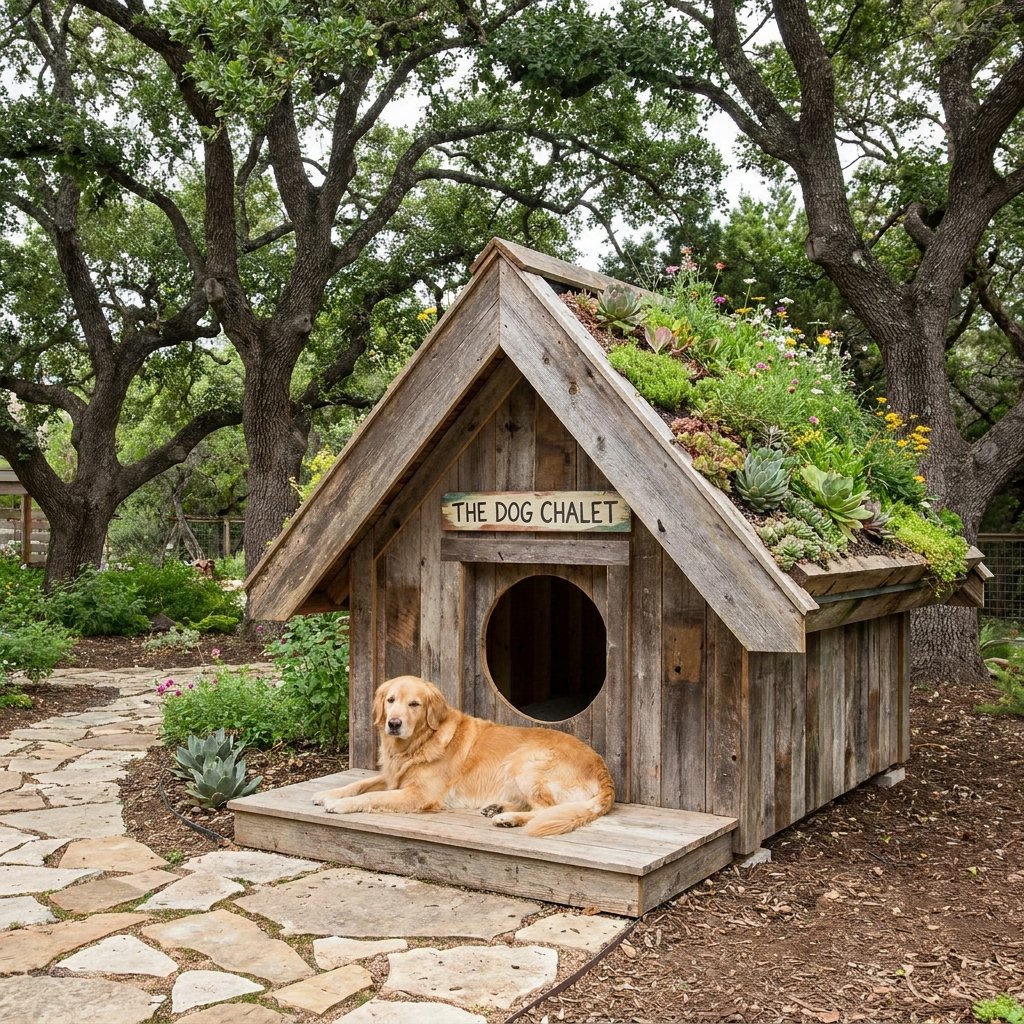
The A-frame shape is instantly recognizable and offers excellent water runoff during rain or snow. Its steep, triangular roofline gives the structure a distinctive silhouette that stands out in any yard. This design also tends to be simpler to build than more complex rooflines.
Beyond its practical drainage benefits, the A-frame style has a playful, almost cabin-in-the-woods appeal. Painting it in a bold color or adding trim details can make it a real focal point. It works well for both small and medium-sized dogs.
Raised Platform Dog House Ideas
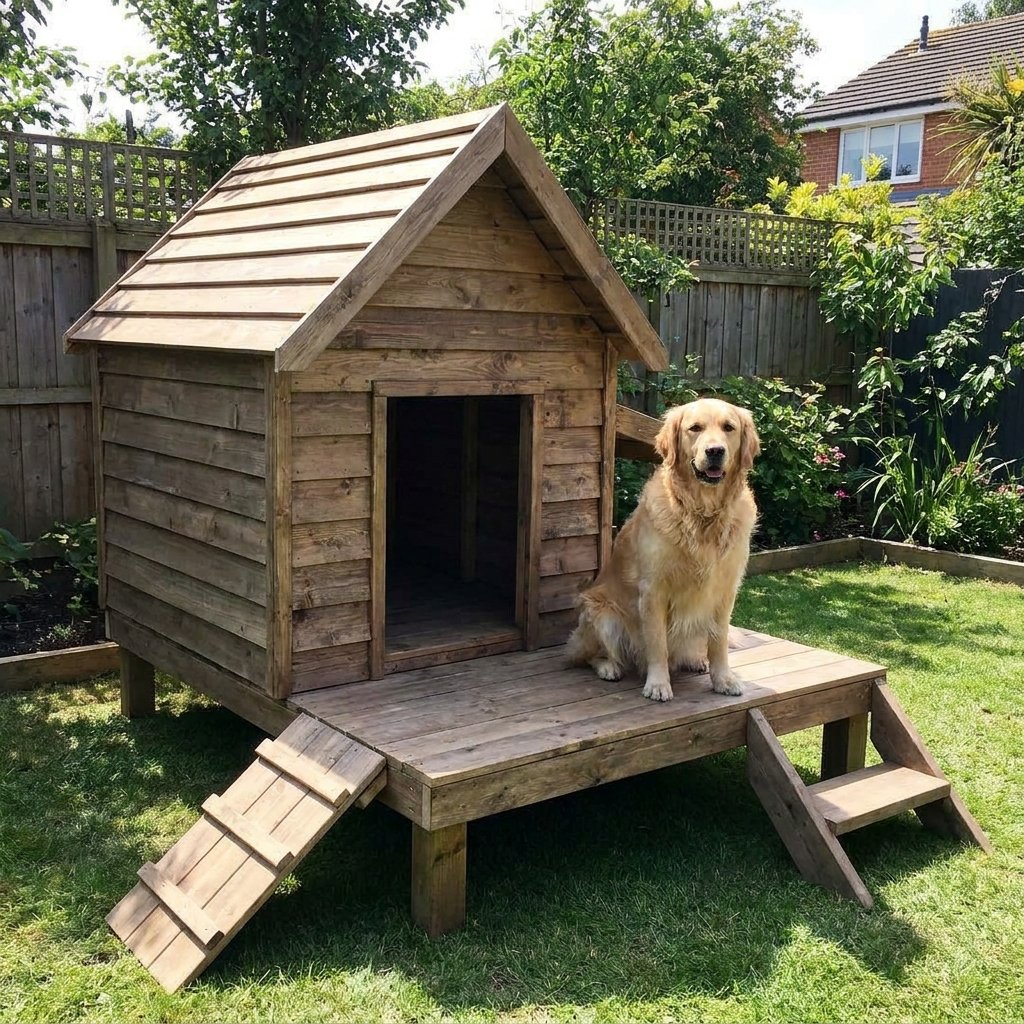
Elevating a dog off the ground helps protect against moisture, pests, and temperature extremes. A raised platform design typically includes a small set of steps or a ramp for easy access. This setup is especially useful in areas prone to flooding or heavy rainfall.
Raised platforms also allow for airflow underneath, which can help keep the interior cooler during warmer months. Some owners add a covered space beneath the platform for extra shade or storage. It’s a practical idea that pairs functionality with a slightly elevated visual presence.
Insulated Winter Dog Ideas
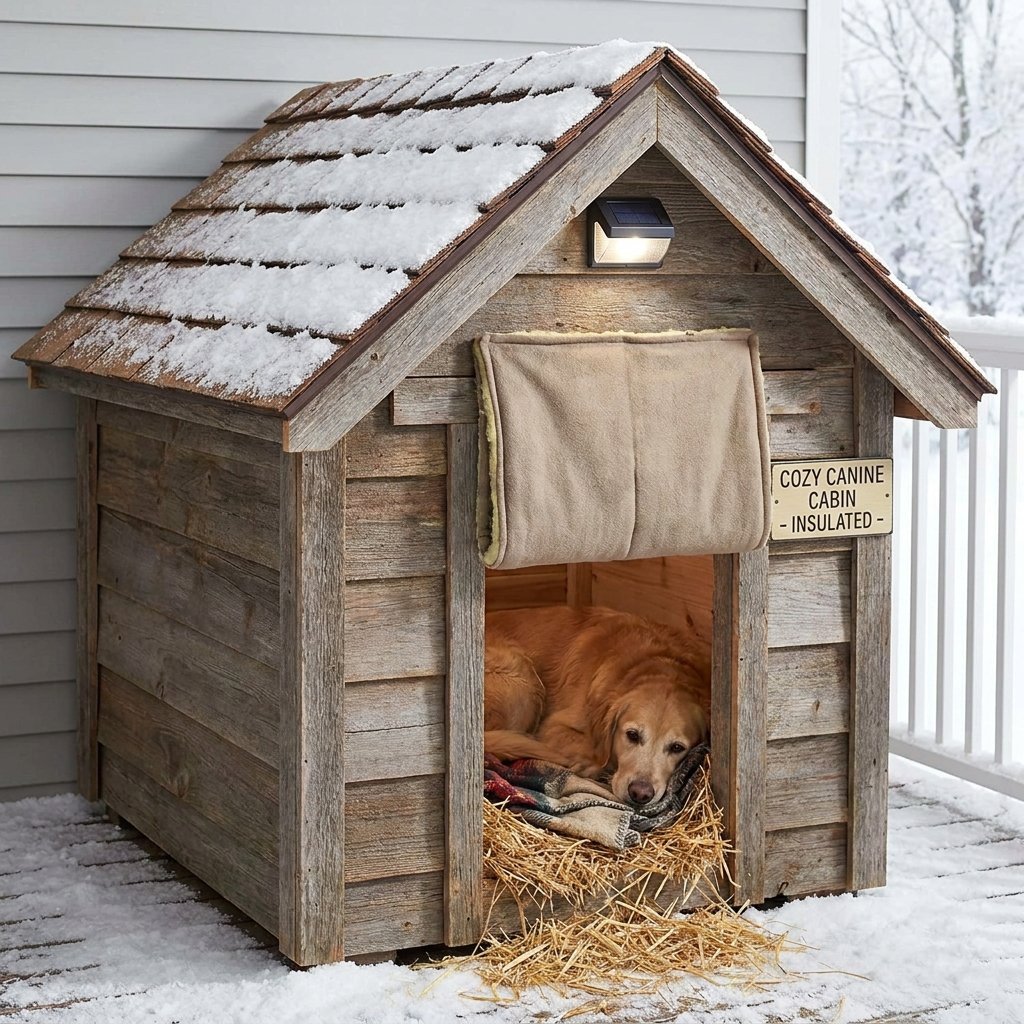
For colder climates, insulation is one of the most important features a dog can have. Adding foam board insulation between interior and exterior walls helps trap heat during winter months. A flap or door covering the entrance also reduces drafts significantly.
Some owners go further by adding heated pads or small enclosed vestibules for extra protection. These additions keep the design practical without sacrificing the overall look of the structure. It’s an idea worth prioritizing if your dog spends significant time outdoors in winter.
Flat Roof Dog Ideas
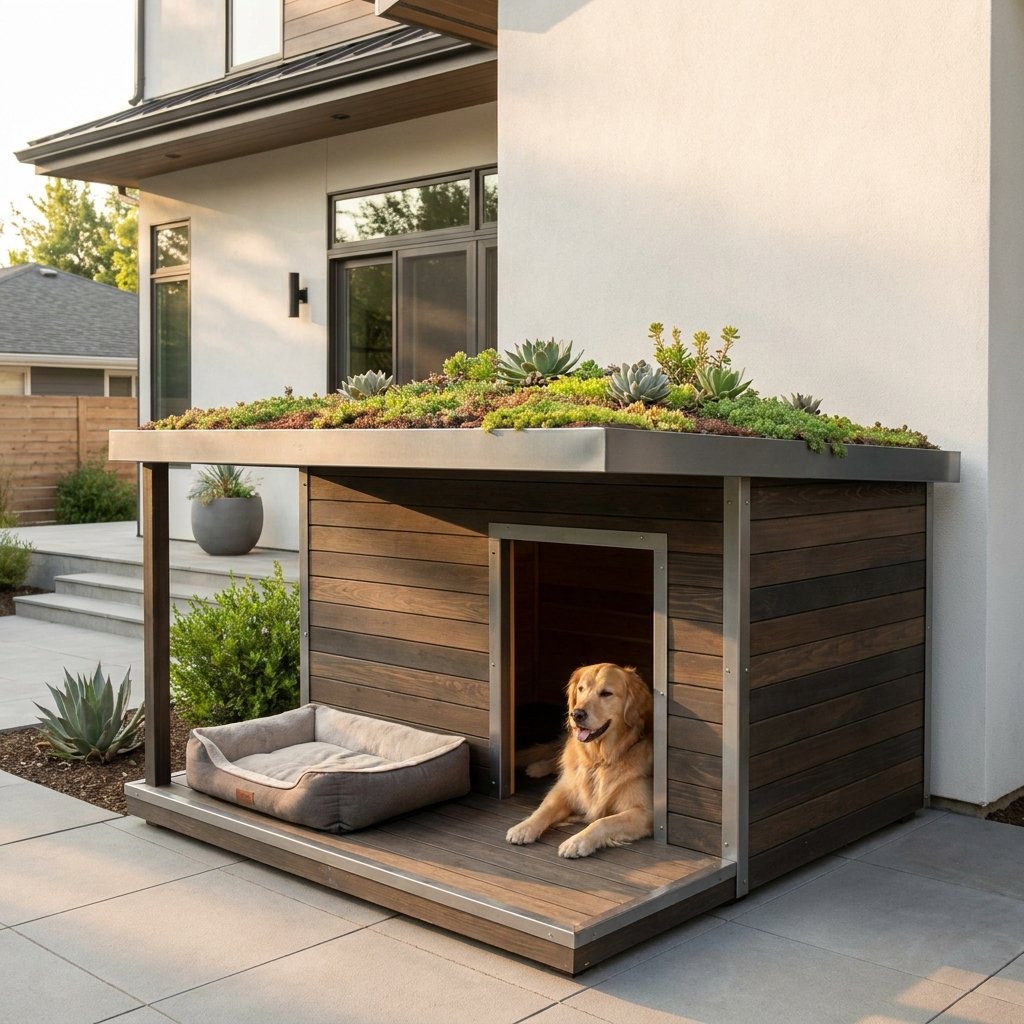
A flat roof gives a dog a clean, architectural look that pairs well with modern homes. This style often doubles as a small platform, giving your dog a spot to relax on top. It’s a space-efficient idea for yards where every square foot matters.
Flat roofs require proper waterproofing and slight angling to prevent water pooling over time. Despite this consideration, the streamlined appearance makes it a popular choice among design-focused pet owners. Adding a small railing on top can enhance both safety and style.
Victorian-Style Dog Ideas
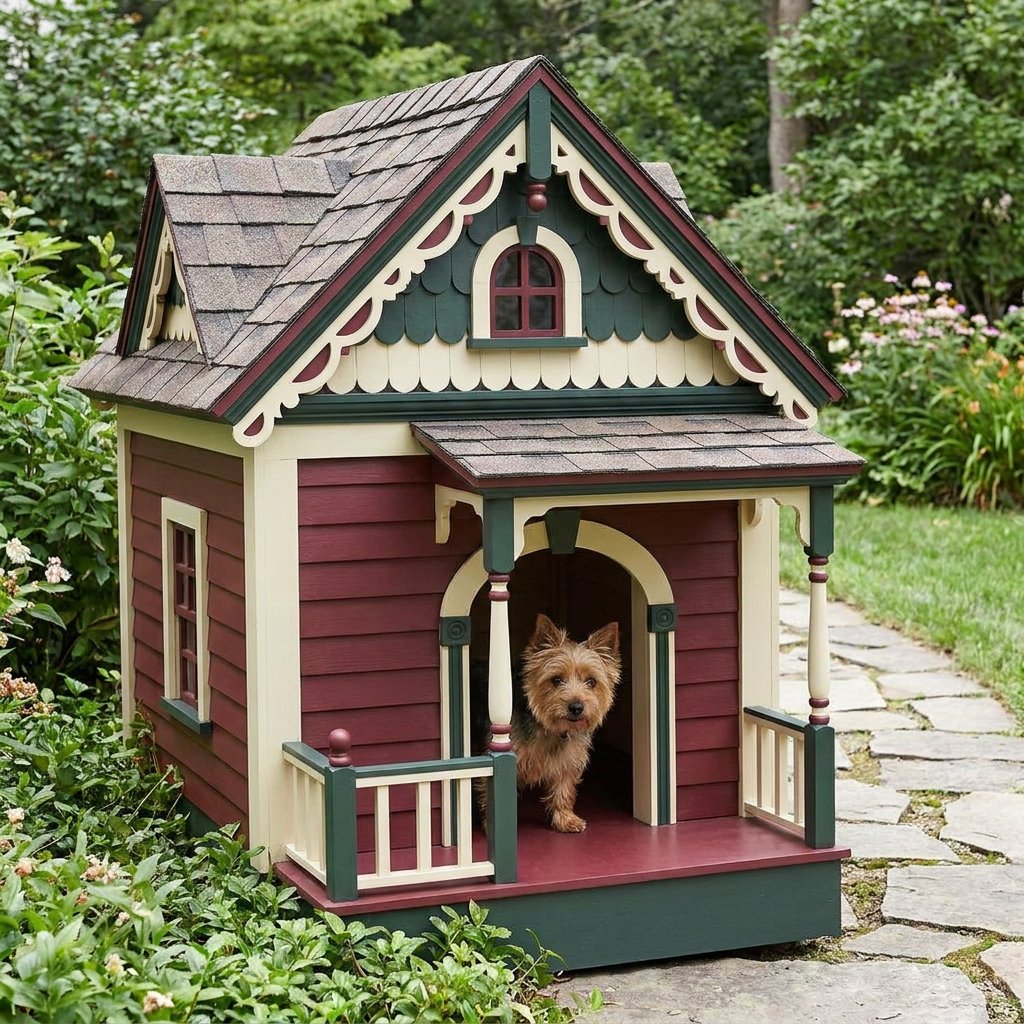
Ornate trim, decorative shingles, and small architectural flourishes define the Victorian-style dog idea. This design mimics the detailed craftsmanship found in historic homes, scaled down for a backyard structure. Bay-style windows or decorative brackets add extra visual interest.
This idea works particularly well for owners with older or historic homes who want a matching aesthetic. While more labor-intensive to build, the finished result often becomes a standout feature in the yard. It’s ideal for pet owners who enjoy detailed, decorative craftsmanship.
Pallet Wood Dog Ideas
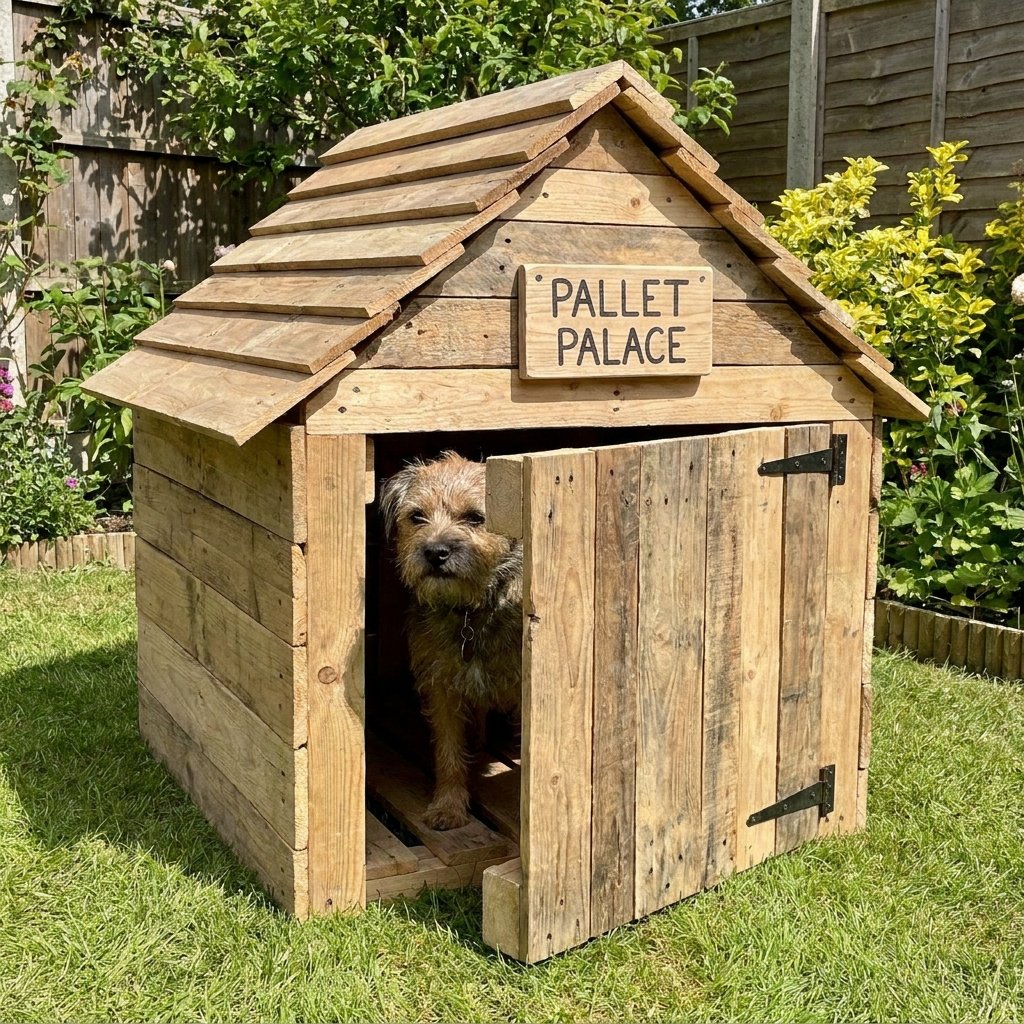
Repurposed pallet wood offers an affordable and eco-friendly way to build a charming dog. The natural, slightly weathered texture of pallet wood gives the structure an authentic, rustic feel. This idea is popular among DIY enthusiasts looking for a budget-conscious project.
Beyond cost savings, using reclaimed materials adds a sustainable element to your backyard design. Sanding rough edges and adding a protective sealant ensures the wood stays safe and durable. It’s a satisfying project for anyone who enjoys hands-on building.
Two-Story Dog Ideas
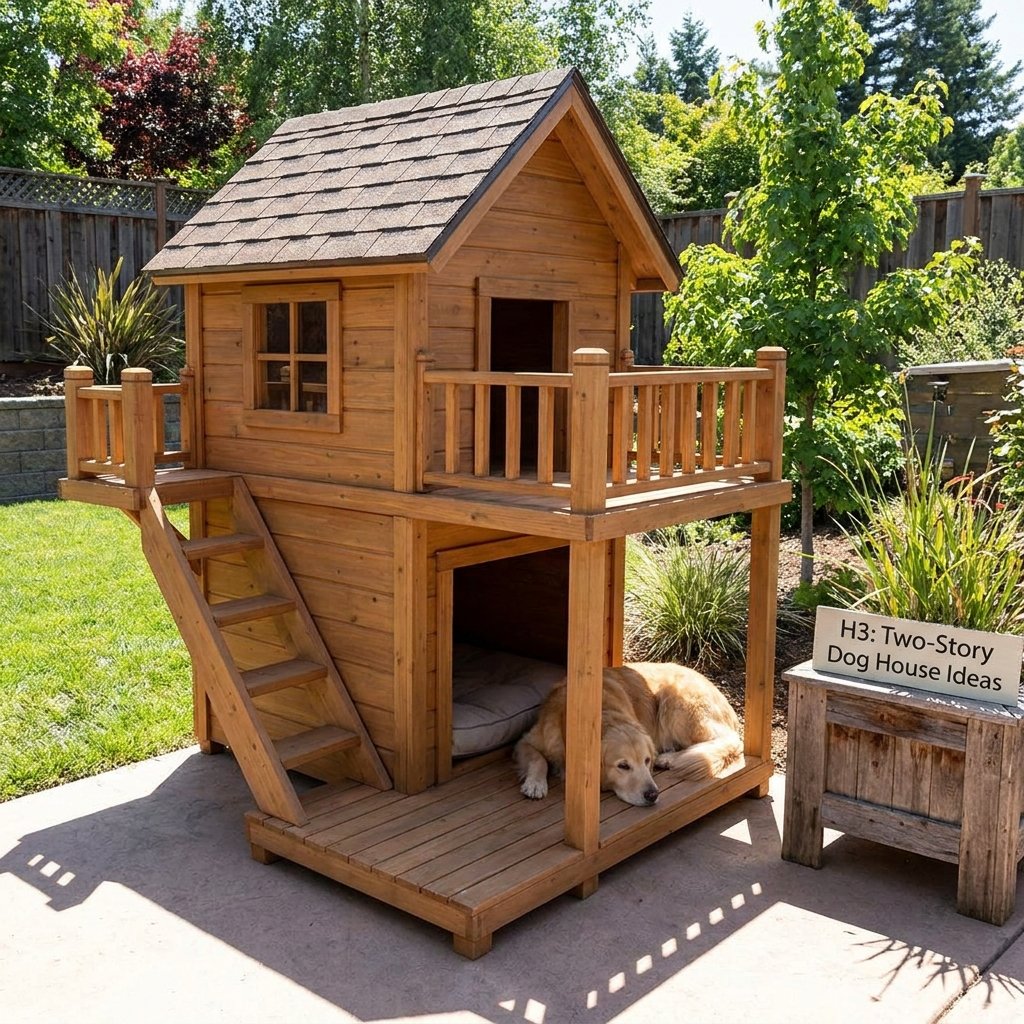
A two-story design adds vertical interest and extra space, making it ideal for multiple pets or larger breeds. The lower level typically serves as the main shelter, while the upper level offers a lookout perch. This layout gives dogs more room to explore and relax.
Building a two-story structure requires more planning and sturdier materials to support the added height. The payoff is a distinctive, eye-catching design that few other dog can match. It’s a great option for owners who want their pet’s home to feel spacious.
Barn-Style Dog Ideas
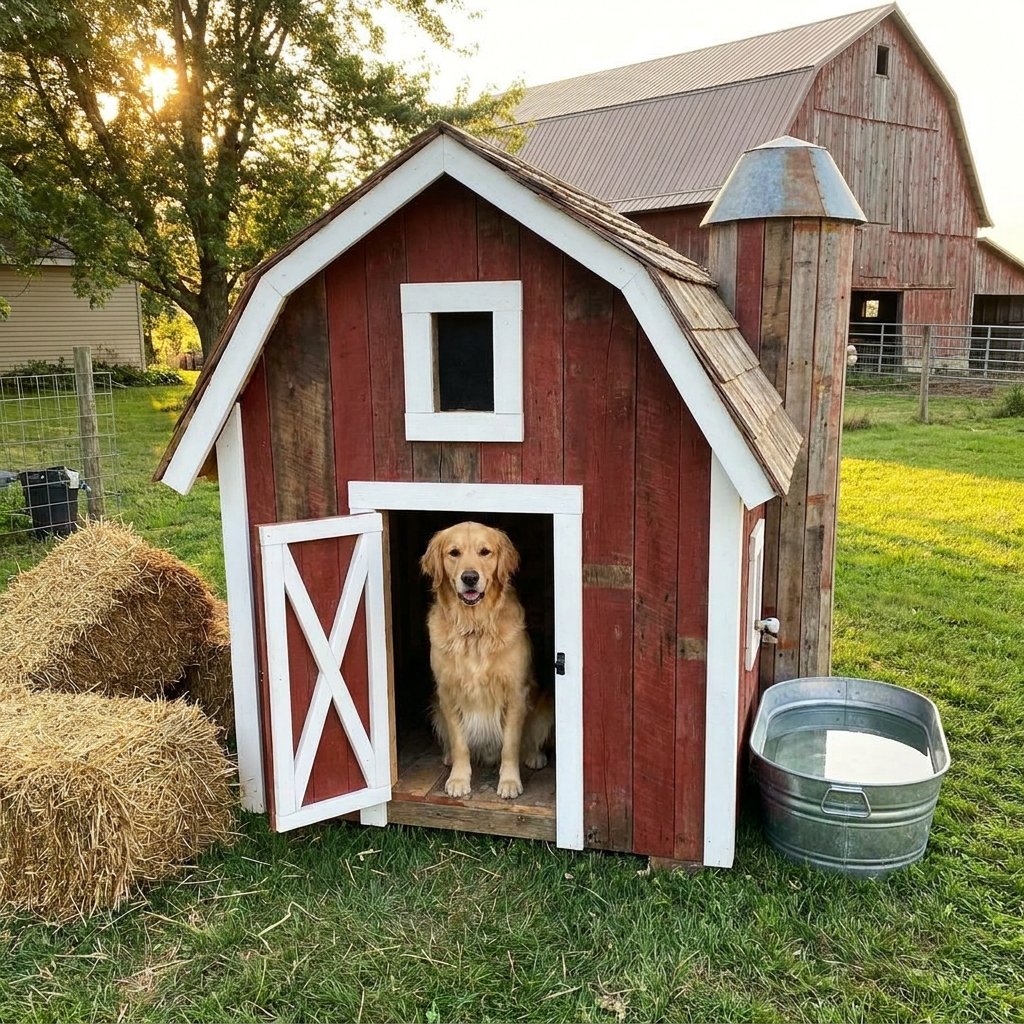
The classic barn silhouette, with its gambrel roof, brings a charming farmhouse feel to any backyard. This shape naturally creates extra interior headroom compared to standard peaked roofs. Red paint with white trim is a popular color combination for this style.
Barn-style dog pair especially well with rural properties, farms, or country-inspired landscaping. The recognizable shape also makes it easy to find pre-made kits if building from scratch feels daunting. It’s a nostalgic, welcoming design that many pet owners love.
Painted Dog Ideas
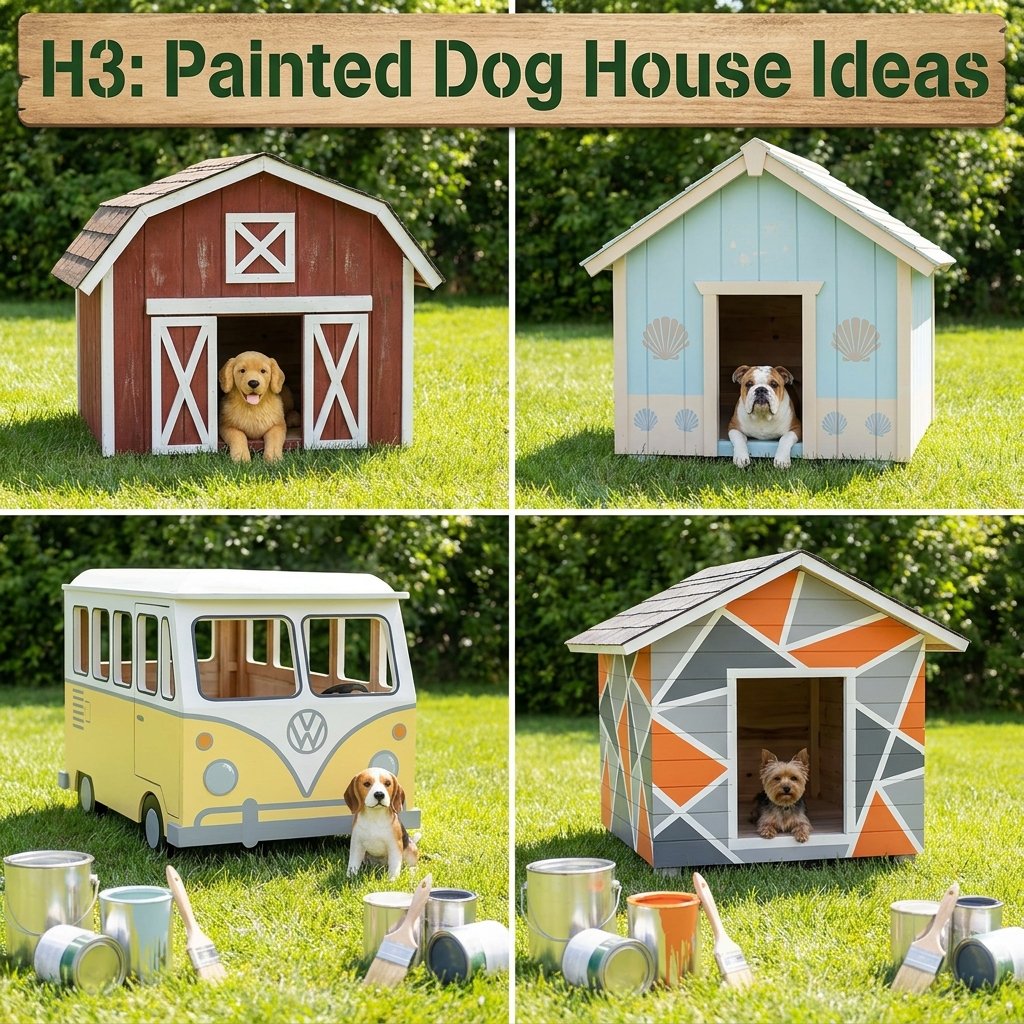
A fresh coat of paint can completely transform an otherwise simple dog structure. Bold colors, patterns, or even murals allow for a high degree of personal expression. This idea is one of the most affordable ways to customize an existing structure.
Weatherproof paint ensures the design stays vibrant despite sun exposure and seasonal changes. Some owners match the paint color to their home’s exterior for a coordinated look. It’s a simple update that delivers a noticeable visual impact.
Dog With Porch Ideas
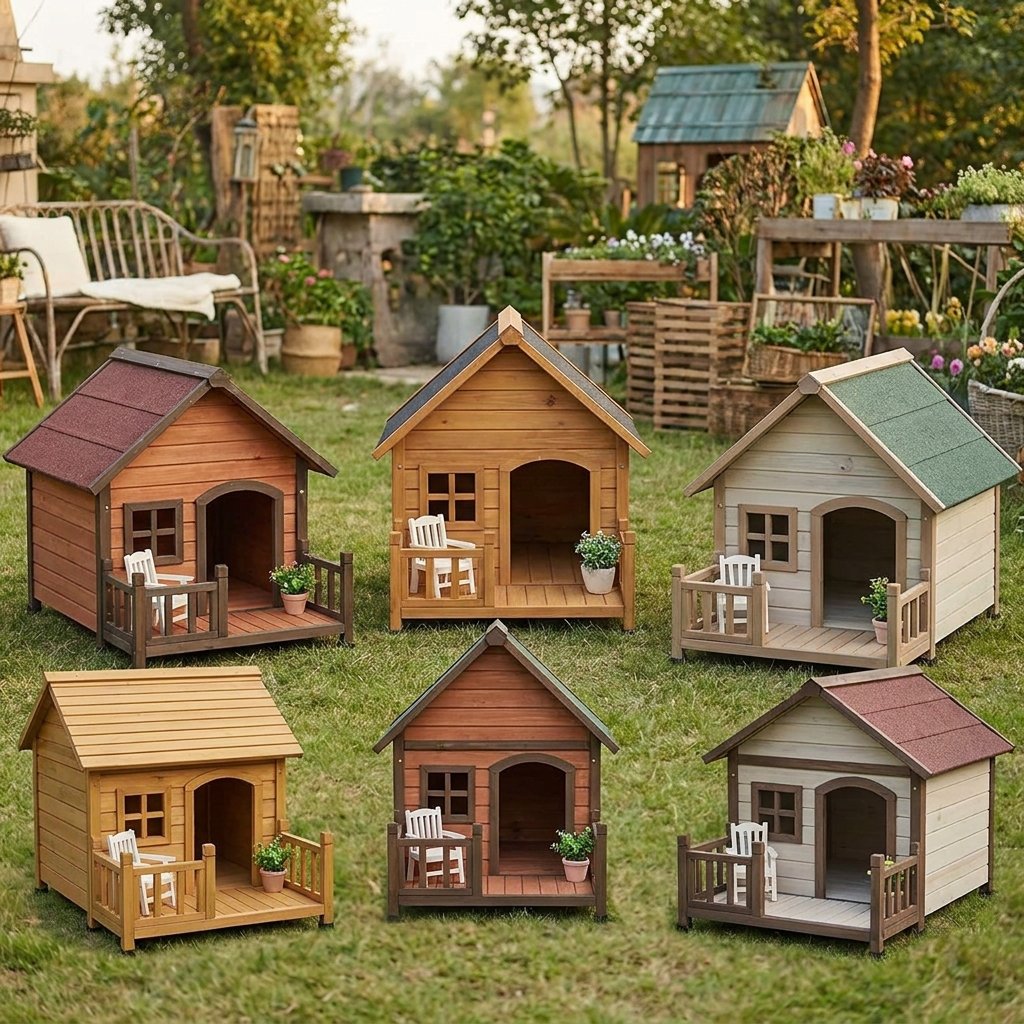
Adding a small covered porch gives your dog a shaded spot to relax outside the main structure. This extra space is especially useful during warmer months when full shade is appreciated. A porch also adds architectural depth to an otherwise simple design.
Some owners furnish the porch area with a small mat or elevated bed for added comfort. This idea works well paired with cabin-style or farmhouse-inspired dog. It’s a thoughtful addition that expands usable space without much extra construction.
Multi-Dog Ideas
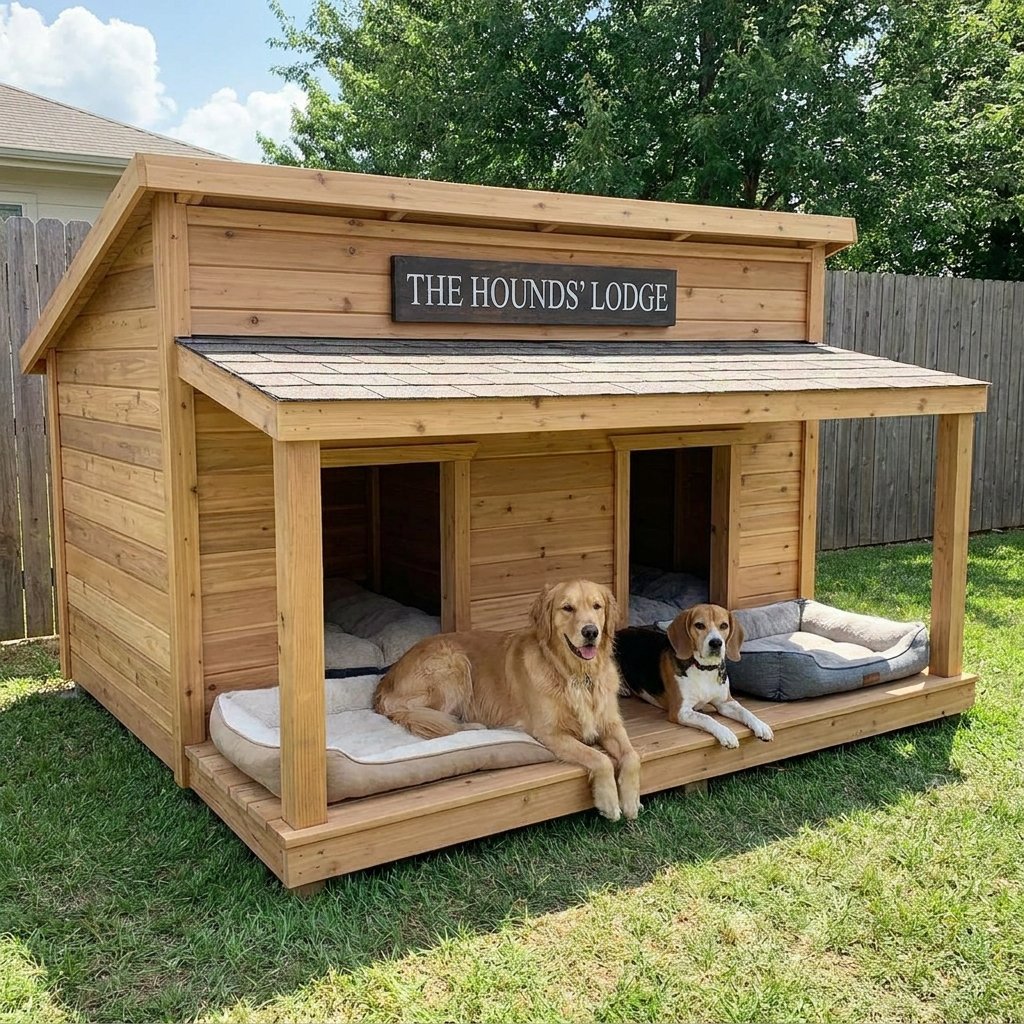
For households with more than one dog, a multi-chamber design offers separate but connected living spaces. This layout can include individual entrances leading to a shared central area. It helps prevent overcrowding while still keeping pets close together.
Sizing each chamber appropriately for the dogs involved ensures comfort and easy movement. Some designs also include a shared covered porch connecting both entrances. It’s a practical solution for multi-pet households seeking organized outdoor housing.
Small Breed Dog Ideas
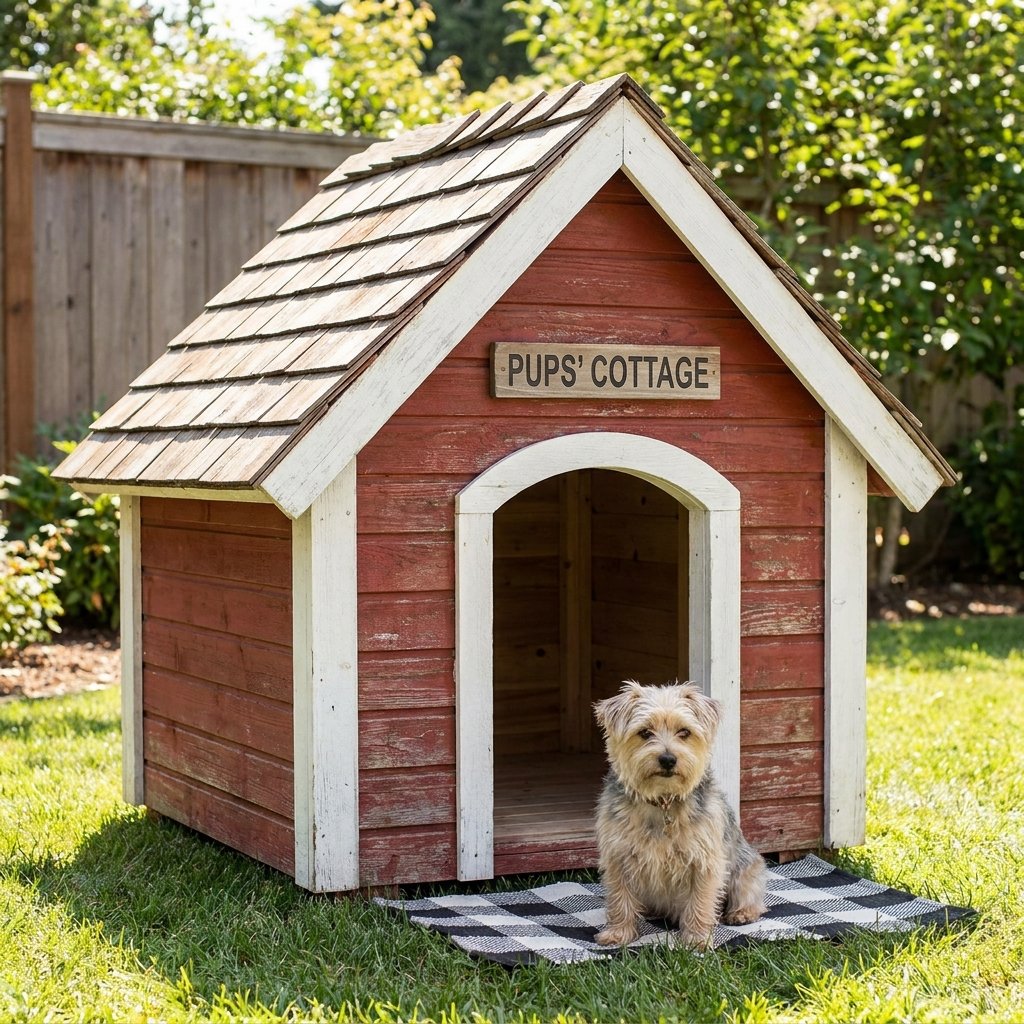
Compact designs scaled specifically for small breeds prioritize coziness over excess interior space. Lower rooflines and smaller entryways help retain body heat more effectively for tiny dogs. This idea works particularly well in limited outdoor spaces like patios or balconies.
Soft bedding and simple insulation go a long way in a smaller structure. Decorative touches like mini shutters or a tiny welcome sign add personality without overwhelming the design. It’s an efficient idea for owners with limited yard space.
Large Breed Dog Ideas
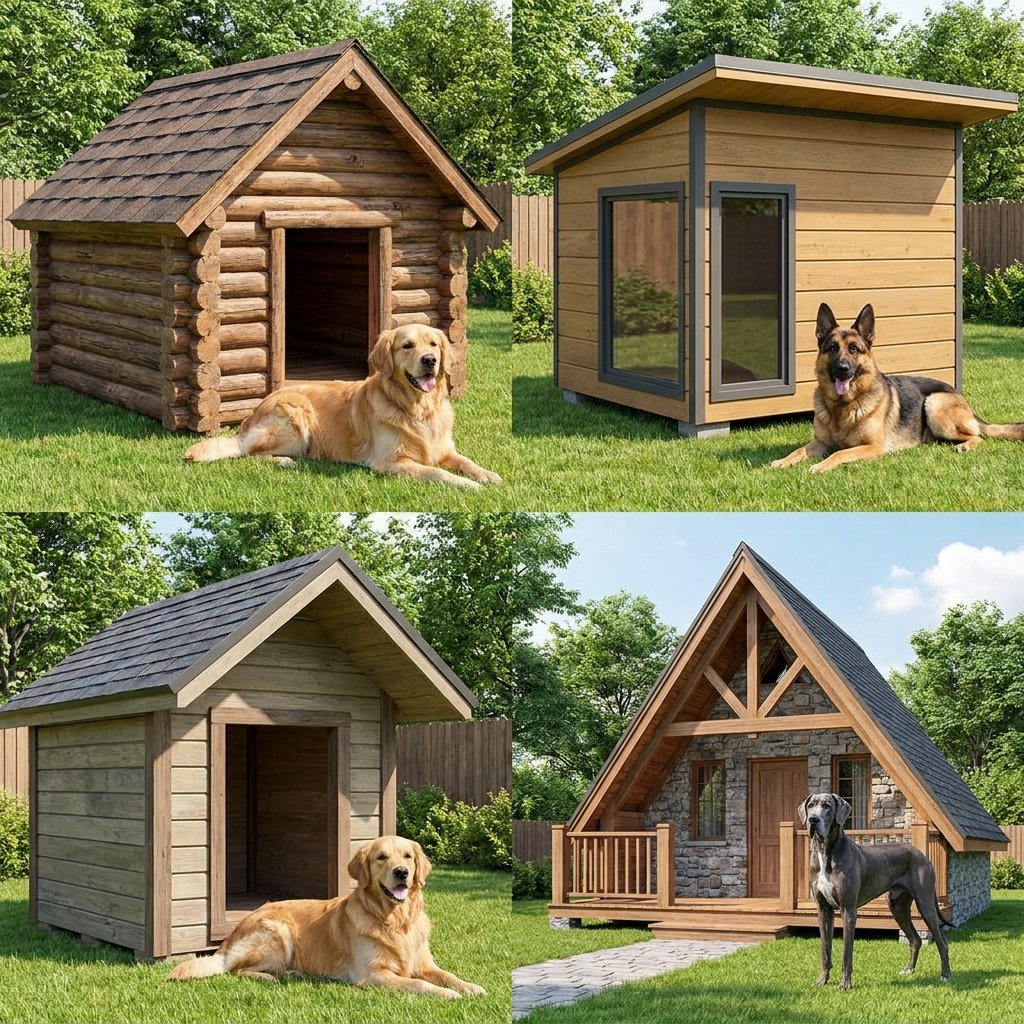
Larger dogs need generous interior dimensions along with reinforced framing to handle their size and movement. A wider entrance and taller roofline ensure comfortable access without feeling cramped. Sturdier materials like thicker plywood or reinforced beams support long-term durability.
Extra ventilation becomes especially important in larger structures to keep airflow consistent. Some owners add reinforced flooring to withstand more weight and activity over time. It’s an idea centered on durability, space, and long-term comfort.
Recycled Material Dog Ideas
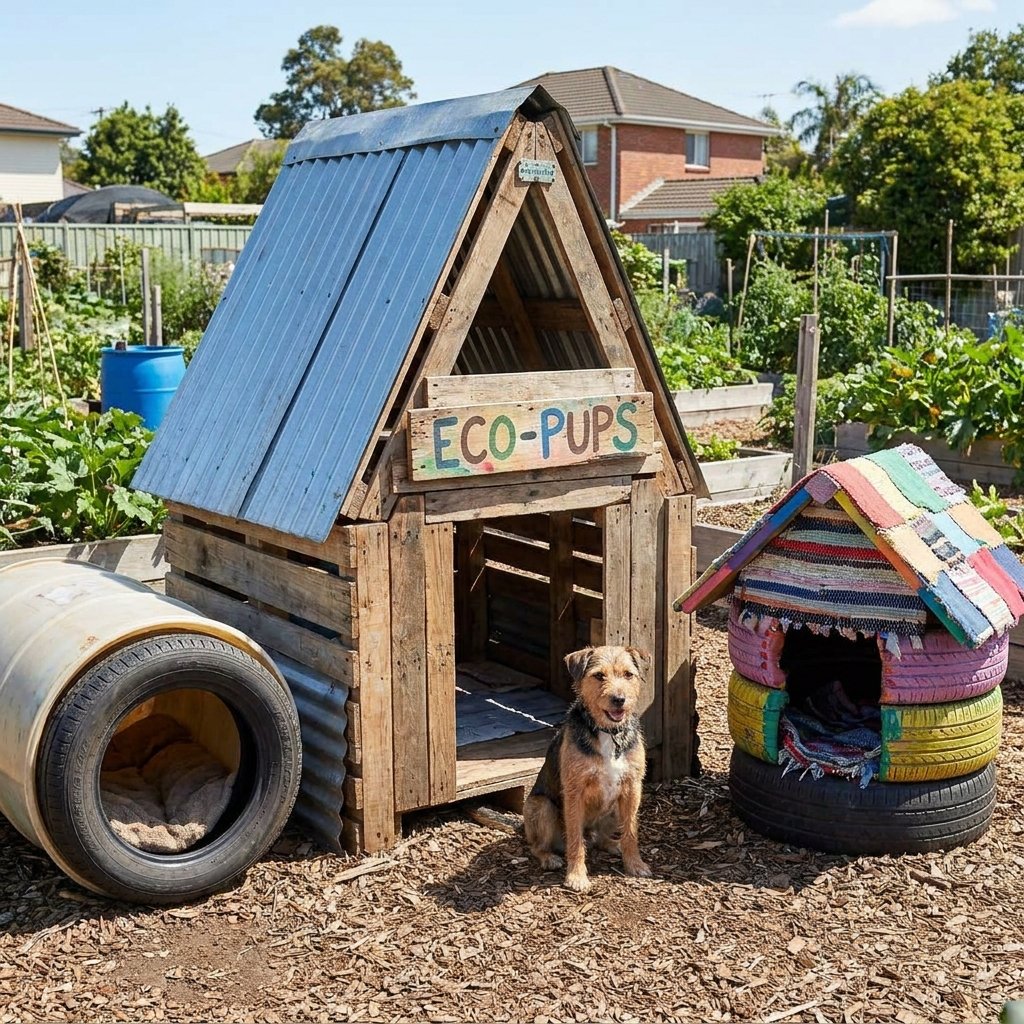
Building with recycled materials like old doors, reclaimed wood, or repurposed metal sheeting reduces waste and cost. This approach often results in a one-of-a-kind structure with unique textures and character. It appeals to environmentally conscious pet owners looking for sustainable options.
Combining different recycled elements requires a bit more creativity during the planning stage. The unpredictable mix of materials often leads to unexpectedly charming results. It’s an idea that rewards resourcefulness and creative problem-solving.
Dog With Fenced Yard Ideas
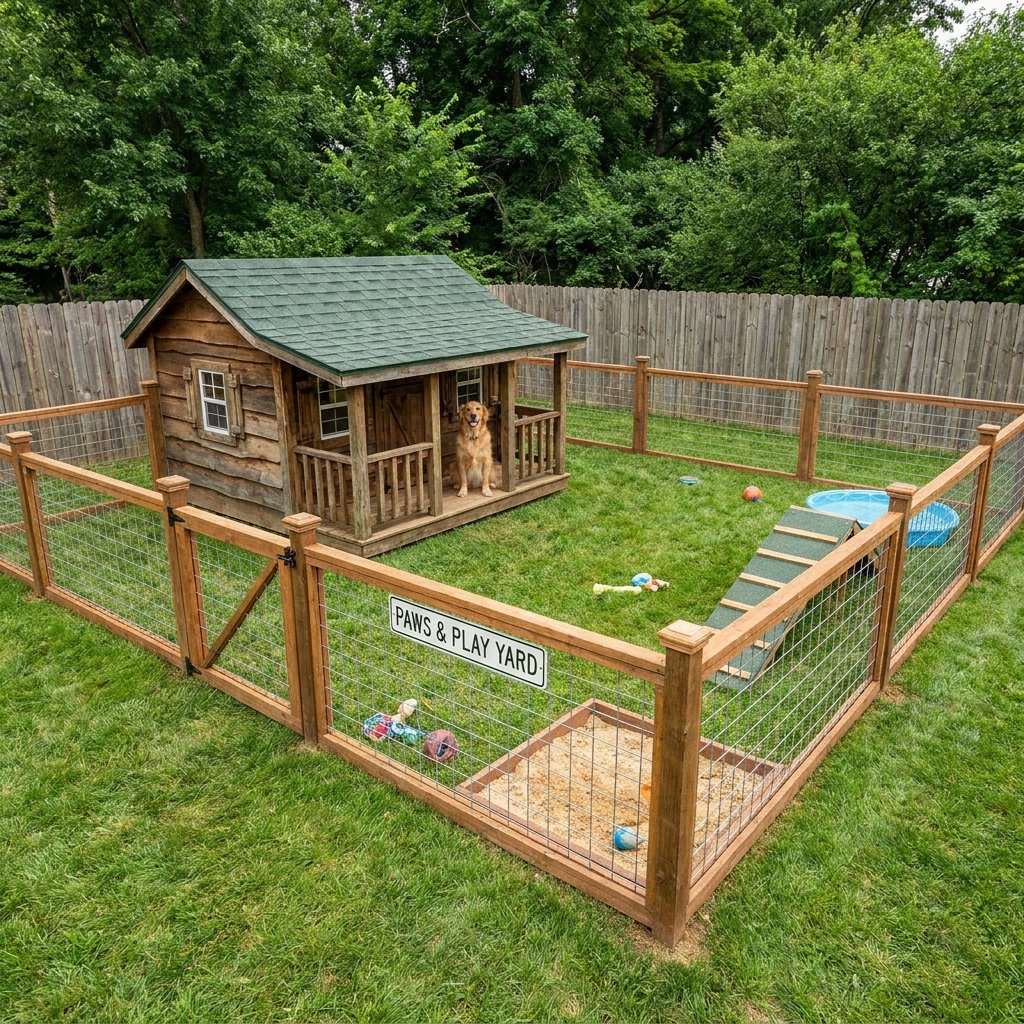
Pairing a dog with a small attached fenced area gives your pet a secure outdoor zone. This setup works well for owners who want to limit their dog’s roaming range near the structure. A short fence also adds a defined, tidy look to the space.
Materials like picket fencing or simple wire mesh can match the dog overall style. This idea is especially useful for younger dogs still learning yard boundaries. It combines shelter and containment in one cohesive design.
Heated Dog Ideas
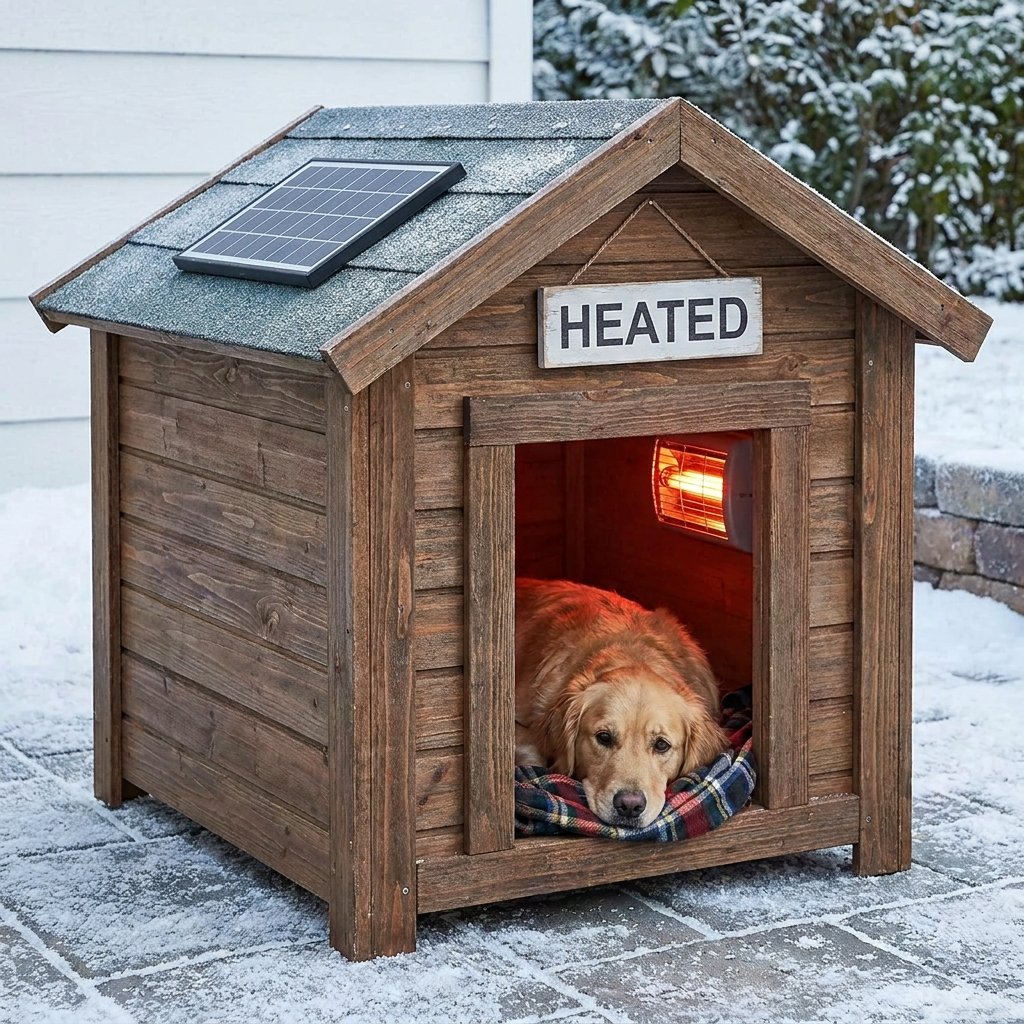
For extremely cold regions, an electrically heated dog provides consistent warmth throughout the winter season. Heating pads, safe heat lamps, or insulated heating panels are common additions to this design. Proper wiring and weatherproofing are essential for safety.
This idea works best when combined with solid insulation to retain heat efficiently. Some owners add thermostats to regulate temperature automatically based on outdoor conditions. It’s a practical, safety-focused option for dogs living in harsh winter climates.
Dog With Rooftop Deck Ideas
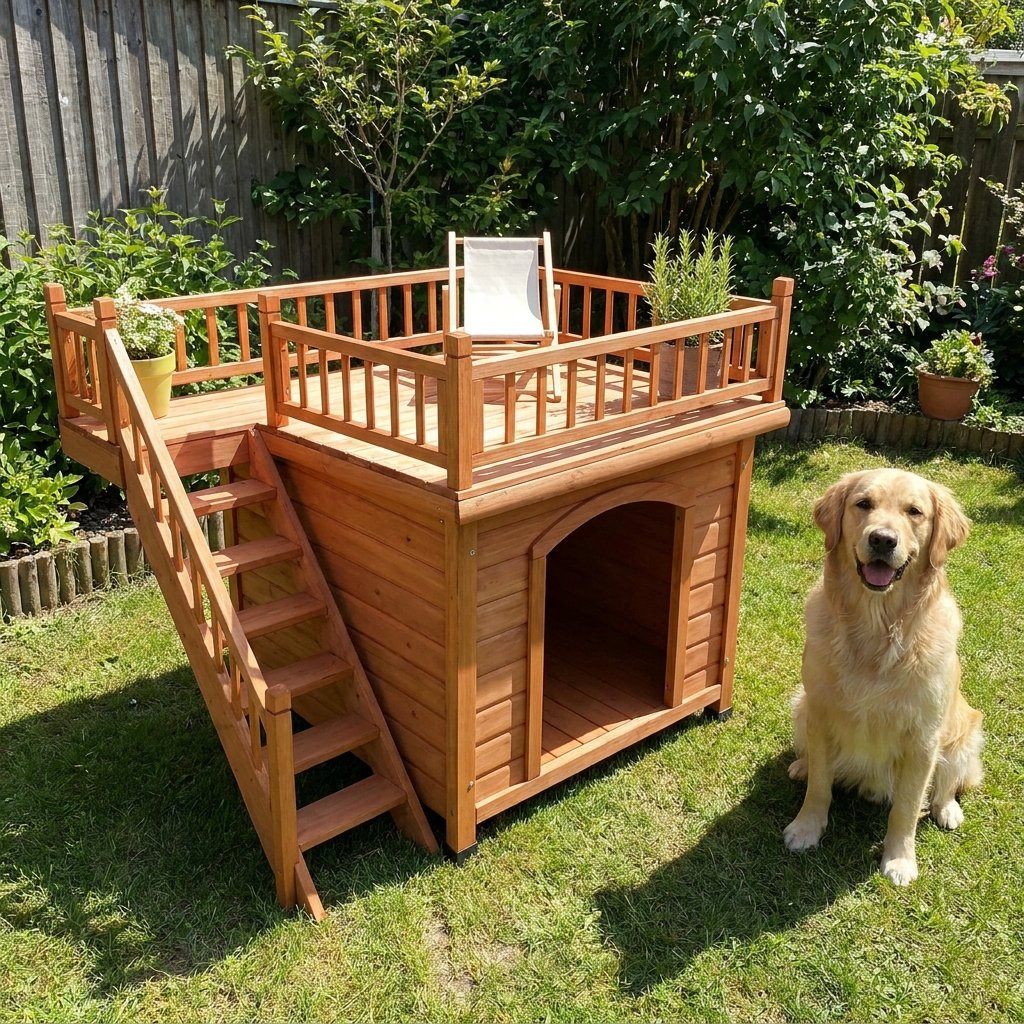
A flat, reinforced roof designed as a small deck gives your dog an elevated lookout spot. This idea combines shelter below with recreational space above, maximizing the structure’s overall function. A small railing helps keep the rooftop area safe for climbing.
Adding a non-slip surface or outdoor rug improves comfort and grip on the rooftop deck. This design tends to appeal to dogs who enjoy watching their surroundings from a higher vantage point. It’s a fun, functional twist on a traditional structure.
Camper-Style Dog Ideas
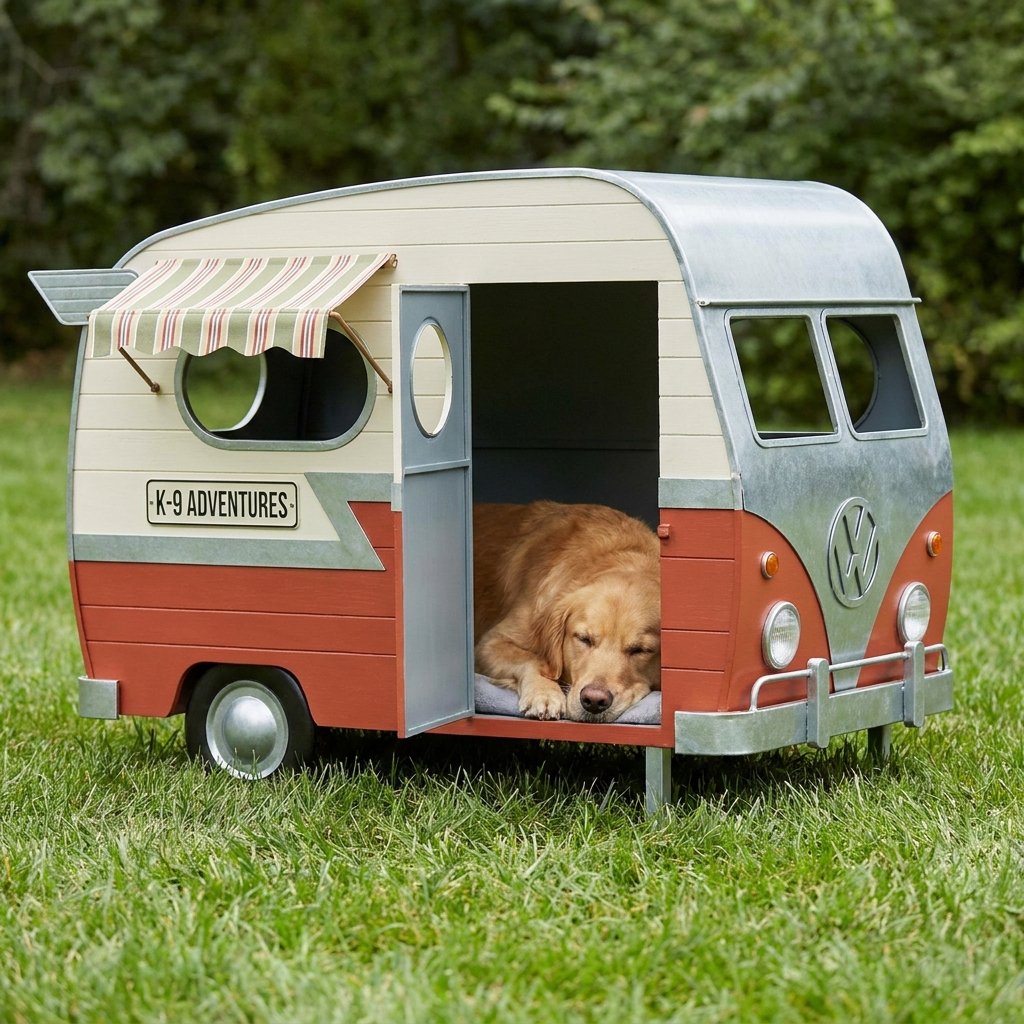
Shaped like a vintage travel trailer, the camper-style dog adds a whimsical, nostalgic touch to any yard. Rounded edges, small porthole windows, and pastel paint colors complete this playful design. It’s a popular choice among owners who enjoy quirky, themed structures.
This idea works particularly well as a statement piece in yards with a retro or eclectic aesthetic. Small decorative details, like a painted license plate or tiny awning, enhance the camper illusion. It’s a fun project for creative DIY builders.
Dog With Storage Ideas
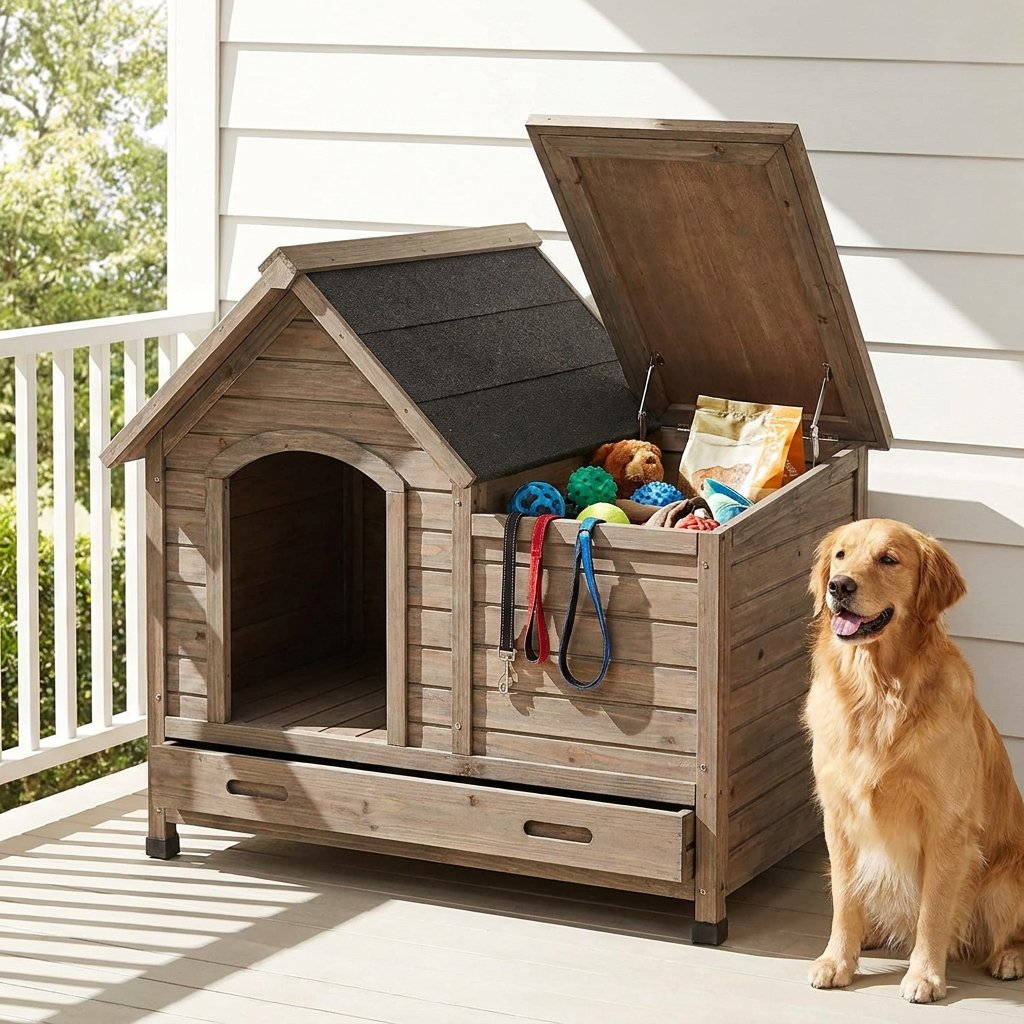
Incorporating a small storage compartment into the dog design adds practical value beyond shelter. This space can hold leashes, toys, food, or grooming supplies in one convenient location. It keeps pet essentials organized and close to where they’re actually used.
Separating the storage area from the dog’s living space ensures comfort isn’t compromised. This idea works especially well for owners with limited garage or shed space. It’s a smart, space-saving solution for busy households.
Themed Dog Ideas
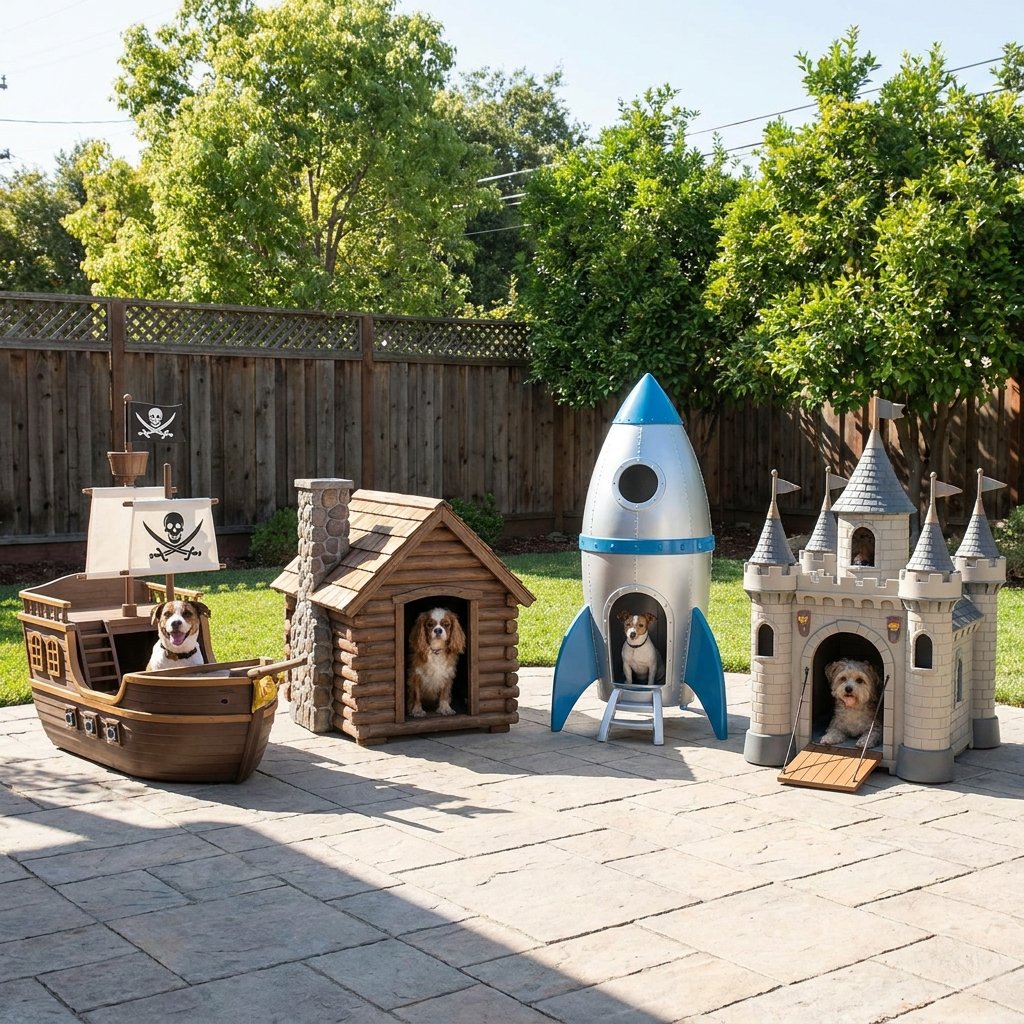
Themed designs, from castles to lighthouses to tiny cottages, let owners fully express their creativity. These structures often include decorative elements like turrets, faux windows, or custom signage. This idea turns a functional necessity into a genuine piece of yard art.
While more involved to design and build, themed dog tend to become neighborhood conversation pieces. Choosing a theme that reflects your own interests makes the project even more rewarding. It’s a bold, imaginative way to make your dog’s home truly one of a kind.
FAQs About Dog House Ideas
What is the best material for a dog house?
Cedar and pine are popular choices because they resist rot and insects naturally. Plywood works well for budget builds but needs proper sealing against moisture. Choose weatherproof materials suited to your local climate for the best long-term results.
How big should a dog house be?
The house should be about 25 percent larger than your dog’s standing and lying dimensions. Too much extra space can make it harder for your dog to stay warm. Measure your dog carefully before finalizing any design dimensions.
Can a dog house be insulated for winter?
\ Yes, foam board insulation between interior and exterior walls significantly improves heat retention. Adding a door flap also helps block cold drafts from entering. Insulation is especially important for dogs spending long hours outside in winter.
Where should a dog house be placed in a yard?
Choose a shaded, elevated spot away from standing water or strong winds. Placing it near your home can also help your dog feel more secure. Good drainage around the base prevents moisture issues over time.
How much does it cost to build a dog house?
Simple DIY designs can cost as little as fifty to one hundred dollars in materials. More elaborate builds with insulation, decking, or custom features can run several hundred dollars. Costs vary widely based on size, materials, and design complexity.
Conclusion
Dog house ideas offer far more creative freedom than most pet owners initially realize, from rustic cabins to whimsical themed builds. Every design choice, whether it’s material, shape, or added features, gives you a chance to reflect your own style. The right structure can genuinely become a standout piece within your outdoor space.
Ultimately, the best dog house idea is the one that balances your dog’s comfort with your personal creative vision. Don’t be afraid to mix elements from different styles to create something truly unique. With so many inspiring directions to explore, your next backyard project can be both functional and full of character.



One Comment